 Chat with us
Call us now :07313725902
 Send Inquiry
 Send Inquiry
Bottom Pouring Ladle For Foundry
Price 390000 INR/ Set
MOQ : 1 Set
Bottom Pouring Ladle For Foundry Specification
- Feature
- High Thermal Resistance, Leak-proof Bottom, Robust Steel Fabrication
- Rating
- Industrial Grade
- Condition
- New
- Type
- Bottom Pouring Ladle
- Usage
- Industrial/Foundry use
- Power
- Manual / Mechanized Operation
- Size
- 500 Kg to 2000 Kg (customizable as per requirement)
- Dimensions
- As per specified size
- Weight
- Varies as per capacity (approx. 350-800 kg depending on model)
- Application
- Metal Casting, Foundries, Steel Plants
- Capacity
- 500 kg, 1000 kg, 1500 kg, 2000 kg (custom sizes available)
- Color
- Industrial Grey / Custom on request
- Suspension
- Heavy Duty Trunnion with Steel Shafts and Bearings
- Operating Type
- Manual Wheel, Gearbox, or Motorized as per model
- Finish
- Anti-corrosive coated surface
- Mounting Type
- Hook/Chain/EOT Crane Compatible
- Body Material
- Heat Resistant MS Steel or Cast Iron
- Pouring Mechanism
- Hand Lever or Gear Driven
- Temperature Resistance
- Up to 1650C
- Lining Material
- High Alumina Refractory Bricks or Castable Lining
- Standards Complied
- IS:4460, IS:1918
Bottom Pouring Ladle For Foundry Trade Information
- Minimum Order Quantity
- 1 Set
- Supply Ability
- 1 Set Per Month
- Delivery Time
- 15 Days
About Bottom Pouring Ladle For Foundry
Bottom Pour Ladle -This unique bottom pour system is designed for the foundry that wants to take advantage of the benefits of bottom filling and pouring without having to install a robot. This system is designed to accommodate pour weights from 10-140 pounds (4.563.5 kg). This large capacity can eliminate the need for molds to be poured by more than one person.
System features
- Full controls on the handles to allow control by one operator
- Self aligning system for ladles and rod
- Adjustable handle angle to allow for ergonomic positioning of the equipment during operation
- Ladle stand to allow easy access to the lade and rod for cleaning and maintenance
- All controls are pneumatic
- System includes air hoist
Advantages
- Improved metal quality
- Improved head pressure
- Reduced labor to pour large molds
Robust Construction for Industrial Use
Designed with premium heat-resistant mild steel or cast iron, this ladle is specifically built to handle the rigors of continuous foundry and steel plant operations. The robust steel fabrication, combined with high alumina lining, ensures longevity and safetymaking it ideal for demanding metal casting environments.
Precision Pouring and Customization Options
The bottom pouring ladle offers two mechanism choiceshand lever or gear-drivenallowing precise and controlled metal flow. Customers can select from various capacities and finishes, including custom colors and dimensions, ensuring the equipment aligns perfectly with their operational requirements.
Safety and Efficiency in Metal Handling
Equipped with leak-proof design, heavy-duty trunnion suspension, and an anti-corrosive surface, the ladle ensures secure handling and minimizes risk during high-temperature metal transfers. Compliance with IS:4460 and IS:1918 standards guarantees reliability and safety in every operation.
FAQs of Bottom Pouring Ladle For Foundry:
Q: How is the bottom pouring ladle used in foundry operations?
A: The ladle is deployed to transfer and pour molten metal with high precision into molds. Depending on the model, you can operate it manually using a wheel, hand lever, or utilize mechanized gear and motorized systems for controlled discharge during foundry and metal casting processes.Q: What materials and linings are used for the ladles construction?
A: The body of the ladle is fabricated from heat-resistant mild steel (MS) or cast iron, while the lining is composed of high alumina refractory bricks or castable lining. This combination ensures optimal thermal insulation and structural durability under temperatures up to 1650C.Q: When should I choose a gear-driven versus hand lever pouring mechanism?
A: A gear-driven mechanism is preferred for larger capacities (1000 kg and above) or when more precise, gradual pouring is required. Hand lever mechanisms are suitable for smaller loads and straightforward applications, offering simplicity and easy operation.Q: Where can the ladle be mounted for optimal use?
A: The bottom pouring ladle is designed for versatile mounting options, compatible with hook, chain, or EOT craning systems. This adaptability allows integration into various foundry layouts and workflows, supporting efficient movement and pouring.Q: What is the process for customizing the ladles specifications?
A: Customization involves specifying the required capacity (5002000 kg or custom), dimensions, lining material, pouring mechanism, and finish color. As an exporter, manufacturer, and supplier, we tailor the ladle to your operational needs, ensuring compliance with industry standards and application requirements.Q: What are the key benefits of using this ladle in metal casting?
A: The primary advantages include high thermal resistance, a leak-proof bottom for safe operation, durable and anti-corrosive fabrication, precise pouring mechanisms, and adaptability to different crane systems. These features improve productivity while ensuring safety and longevity in industrial environments.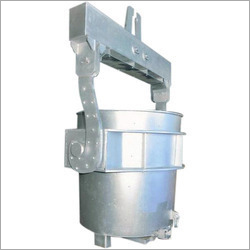
Tell us about your requirement

Price:
Quantity
Select Unit
- 50
- 100
- 200
- 250
- 500
- 1000+
Additional detail
Mobile number
Email

More Products in Ladle Refining Furnace Category
Oxygen Carbon Temperature and Sampling Manipulator
Price 2500000 INR / Set
Minimum Order Quantity : 1 Set
Usage : Other, Industrial / Steel Plant
Feature : High Accuracy, Easy Operation, Durable
Dimensions : Standard or as per client specification
Application : Measurement of Oxygen, Carbon, Temperature, and Sampling in Molten Metal
Emergency Stirring Lance Manipulator
Price 4500000 INR / Set
Minimum Order Quantity : 1 Set
Usage : Other, Stirring of molten metal in emergencies
Feature : Remote operation, Fast Stirring, Robust Construction
Dimensions : Variable (Standard: 4.2 m x 1.8 m x 2.1 m)
Application : Steel Plants, Metallurgical Industries
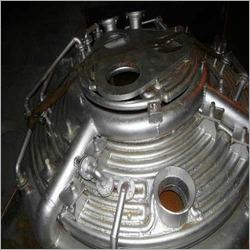
Water Cooled Ladle Furnace Roof
Price 1600000 INR / Set
Minimum Order Quantity : 1 Set
Usage : Other, Ladle Furnace
Feature : Efficient heat dissipation, Long service life, Leakproof water channel, Corrosion resistant
Dimensions : Tailormade, standard options available
Application : Steelmaking Industries Ladle Furnace cover
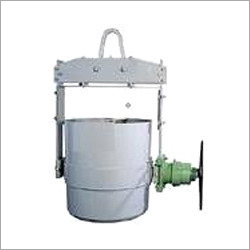
Bottom Pouring Ladle
Price 2250000 INR / Set
Minimum Order Quantity : 1 Set
Usage : Other, Foundry, Steel Plants, Casting
Feature : Leakproof, Heavy duty construction, Heat resistance
Dimensions : As per customer specification
Application : Pouring molten metal

 Send Inquiry
Our Products
- Hydraulic Pusher Manipulator for Furnace
- Ladle Transfer Car
- Hot Metal Transferring Equipment
- Billet / Bloom Grinding Machine
- Steel Melt Shop Equipment
- Ladle Refining Furnace
- Continuous Casting Machine
- Vacuum Degasser
- Oxygen Decarburization Vessel
- Argon Oxygen Decarburization Converter
- Vacuum Oxygen Refining Furnace
- Scrap Management
- Tundish Drying and Preheating System
- Wire Feeding Machine
- Automatic Temperature Sampling Manipulator
- Ladle Drying Station
- Electric Arc Furnace
- Tundish Drying Station
- Tundish Tilter Turnover Device
- Slab Turnover Tilting Device
- Cored Wire
- Foundry Ladle
- Rotary Kiln
- Gas Based DRI Plant
- Scrap Baling Machine
- Immersion Sensor
- Continuous casting Machine Equipments
- Slag Raking Machine
- Ladle Drying And Preheating Station
- Materials Handling Equipment
- Scrap Management And Optimisation Solutions
- Hot Metal Ladle for Steel Plant


B No. D-157, Road No. 24, Site -5, Greater Noida Export Promotion Industrial Park,Greater Noida - 201310, Uttar Pradesh, India

Mr Madan Kumar
(Director)
Mobile :07313725902
 Send Inquiry
 Send SMS
 Call Me Free
Developed and Managed by Infocom Network Private Limited.
