 Chat with us

Call us now :07313725902
 Send Inquiry
 Send Inquiry
Alloys Cored Wire
Price 210000 INR/ Ton
MOQ : 4 Metric Tons
Alloys Cored Wire Specification
- Temperature
- Temperature resistant for use in steel melting applications
- No Of Core
- Single core (metal/ferro alloy powder within sheath)
- Cable Length
- Customized
- Conductor Type
- Solid - cored
- Product Type
- Alloys Cored Wire
- Material
- Ferro Alloys / Metal Powder Encapsulated in Steel Sheath
- Function
- Inclusion modification and refining in steel making process
- Usage
- Used for micro alloying, deoxidation, desulfurization, and steel quality improvement
- Insulation Material
- No external insulation
- Conductor Material
- Steel Sheath
- Length
- Customizable as per requirement
- Size
- 9 mm and 13 mm (outer diameter), others as required
- Color
- Metallic Gray
- Diameter
- Standard 9 mm, 13 mm, or as specified
- Application
- Steel industry, alloying in ladle treatment
- Usage Environment
- Suitable for harsh industrial steel mill conditions
- Corrosion Resistance
- High, due to galvanized steel strip or special coating
- Packing Type
- Coil, Reel, or Drum
- Outer Layer Thickness
- Typically 0.3 - 0.5 mm steel strip
- Shelf Life
- Up to 2 years under proper storage
- Alloy Filling Type
- Calcium, Silicon, Titanium, Boron, etc., as per customer requirement
- Melting Point of Alloy Core
- Varies, generally above 1100C
- Moisture Resistance
- Excellent; designed to withstand humid environments
- Tensile Strength
- Steel strip 400 MPa
- Safety
- Non-hazardous under normal operation
- Density
- Varies with filling; typically 2.0 - 3.5 g/cm
- Compliance Standard
- Conforms to industry standards (ISO/ASTM/EN) as applicable
- Delivery Mode
- Wire feed automatic injection
- Custom Alloy Combinations
- Available as per metallurgical requirements
Alloys Cored Wire Trade Information
- Minimum Order Quantity
- 4 Metric Tons
- Supply Ability
- 1 Metric Ton Per Week
- Delivery Time
- 1 Week
About Alloys Cored Wire
We are recognized as the prime manufacturer and supplier of Alloys Cored Wire. For the manufacturing of these products, we use supreme grade raw material and modern technology as per the set industry parameters. Our product range is widely used in various industrial sectors for many purposes. These are known for longer life and these products are highly appreciated by the customers for its durability.
Features:
- Durability
- Reliable
- Cost efficient
Product details
| Material | CaSi,Cafe,Aluminium |
| Usage/Application | Industrial |
| Diameter | 13 mm |
| Material Loading Capacity | 1500-3000 kg,3000-5000 kg |
| Max Temperature | 500-1000 degree Celsius,1500-2000 degree Celsius,1000-1500 degree Celsius |
| Color | Silver |
| Shape | Coil |
Durable Construction with Custom Alloy Filling
Cored wires are manufactured using a robust steel sheath, ensuring high tensile strength and outstanding corrosion resistance. The alloy core can be precisely composed of calcium, silicon, titanium, boron, or other metals, as per customer specification. With an outer diameter of 9 mm or 13 mm (customizable), these wires are ideal for various refining and micro-alloying applications in steel plants.
Enhanced Steel Quality and Process Control
By delivering key alloying elements directly into molten steel via automatic wire feed, cored wires enable precise control of chemical composition. This promotes efficient deoxidation, desulfurization, and inclusion modification, ultimately leading to improved steel quality, mechanical performance, and process reliability.
Reliable and Safe in Harsh Industrial Environments
Engineered with a galvanized or specially coated steel strip, these cored wires offer excellent resistance to corrosion and moisturemaking them suitable for storage and use in demanding industrial settings. Properly stored, they maintain their integrity for up to two years and present no hazardous risks during normal handling and operation.
FAQs of Alloys Cored Wire:
Q: How are Alloys Cored Wires used in the steel industry?
A: Alloys Cored Wires are introduced into molten steel during the ladle treatment process via automatic wire feed. They deliver specific alloying elements directly and efficiently, enabling controlled microalloying, deoxidation, and desulfurization to optimize steel quality.Q: What types of alloys can be filled inside the cored wire?
A: Common alloy fillings include calcium, silicon, titanium, boron, and other ferroalloys or metal powders. These compositions can be tailored to meet precise metallurgical and performance requirements, ensuring optimal results for different steel grades.Q: When should cored wires be used during steelmaking?
A: Cored wires are typically utilized during the secondary metallurgy phase (ladle treatment), after primary melting. This timing allows for effective inclusion modification, steel refining, and precise adjustment of the melts chemical balance prior to casting.Q: Where can these cored wires be applied?
A: These wires are commonly applied in steel mills and foundries, particularly during ladle treatments and alloying procedures. Their durable design and high corrosion resistance make them suitable for use in aggressive, high-temperature industrial environments.Q: What is the process for storing and handling alloy cored wires?
A: Cored wires must be stored in dry, covered conditions to preserve moisture resistance and corrosion protection. They come packed in coils, reels, or drums for easy, automatic feeding, and these robust materials ensure a shelf life of up to two years under proper storage.Q: What benefits do cored wires offer in steelmaking?
A: They provide precise and efficient delivery of alloying agents, improving steel cleanliness, mechanical properties, and yield. Additionally, their controlled feeding minimizes wastage and environmental impact while ensuring operator safety due to non-hazardous design.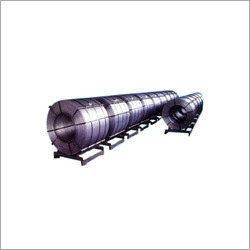
Tell us about your requirement

Price:
Quantity
Select Unit
- 50
- 100
- 200
- 250
- 500
- 1000+
Additional detail
Mobile number
Email

More Products in Cored Wire Category
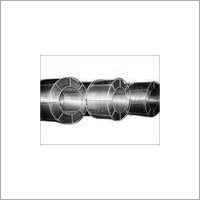
Casi Cored Wire Of 13 MM Diameter
Price 190000 INR / Metric Ton
Minimum Order Quantity : 2 Metric Tons
Cable Length : Available in rolls or as per requirement
Usage : Injection into molten steel for refining purposes
Material : Calcium Silicon (CaSi)
Function : Deoxidizer and desulfurizer in steel making
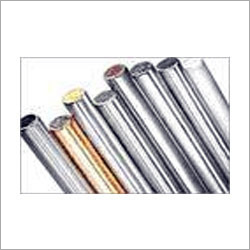
Cafe Cored Wire
Price 125000 INR / Metric Ton
Minimum Order Quantity : 2 Metric Tons
Cable Length : Custom
Usage : Injection into Molten Steel for Chemical Adjustment
Material : High Grade Metal Core
Function : Alloying and Purification in Steelmaking
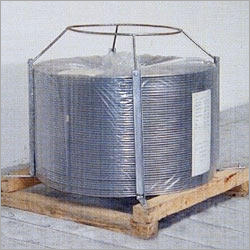
CaSi Cored Wire
Price 205000 INR / Ton
Minimum Order Quantity : 4
Cable Length : Coil form, customizable
Usage : Steel Making and Foundry
Material : Calcium Silicon (CaSi)
Function : Alloying, Deoxidizer, Desulfurizer
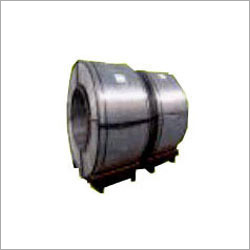
Alloy Cored Wires
Price 195000 INR / Metric Ton
Minimum Order Quantity : 2 Metric Tons
Cable Length : Customer Specified
Usage : Injection into Steel for Precise Alloy Composition
Material : Metal Alloy Core with Outer Sheath
Function : Alloy Additions for Steel Making

 Send Inquiry
Our Products
- Hydraulic Pusher Manipulator for Furnace
- Ladle Transfer Car
- Hot Metal Transferring Equipment
- Billet / Bloom Grinding Machine
- Steel Melt Shop Equipment
- Ladle Refining Furnace
- Continuous Casting Machine
- Vacuum Degasser
- Oxygen Decarburization Vessel
- Argon Oxygen Decarburization Converter
- Vacuum Oxygen Refining Furnace
- Scrap Management
- Tundish Drying and Preheating System
- Wire Feeding Machine
- Automatic Temperature Sampling Manipulator
- Ladle Drying Station
- Electric Arc Furnace
- Tundish Drying Station
- Tundish Tilter Turnover Device
- Slab Turnover Tilting Device
- Cored Wire
- Foundry Ladle
- Rotary Kiln
- Gas Based DRI Plant
- Scrap Baling Machine
- Immersion Sensor
- Continuous casting Machine Equipments
- Slag Raking Machine
- Ladle Drying And Preheating Station
- Materials Handling Equipment
- Scrap Management And Optimisation Solutions
- Hot Metal Ladle for Steel Plant


B No. D-157, Road No. 24, Site -5, Greater Noida Export Promotion Industrial Park,Greater Noida - 201310, Uttar Pradesh, India

Mr Madan Kumar
(Director)
Mobile :07313725902
 Send Inquiry
 Send SMS
 Call Me Free
Developed and Managed by Infocom Network Private Limited.
