 Chat with us

Call us now :07313725902
 Send Inquiry
 Send Inquiry
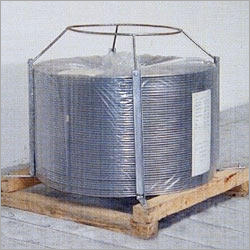
Alloy Cored Wires
Price 195000 INR/ Metric Ton
MOQ : 2 Metric Tons
Alloy Cored Wires Specification
- Cable Length
- Customer Specified
- Temperature
- Designed for Steel Melting Temperatures (Up to 1600C or more)
- No Of Core
- Single Alloy Wire Core
- Product Type
- Alloy Cored Wires
- Material
- Metal Alloy Core with Outer Sheath
- Function
- Alloy Additions for Steel Making
- Usage
- Injection into Steel for Precise Alloy Composition
- Insulation Material
- Outer Low Carbon Steel Strip
- Length
- Customizable (Typically 13mm to 15mm in diameter and variable in lengths as per industry need)
- Size
- Standard or Customized
- Color
- Metallic Grey
- Diameter
- Typically 9mm to 16mm
- Application
- Steel Industry for Precise Alloying in Ladle Furnace
- Outer Diameter Tolerance
- +/- 0.5 mm
- Shelf Life
- Stable up to 1 year if stored properly
- Packing Type
- Steel Drums, spools or Cargo Packaging as per order
- Surface Finish
- Bright or Matt
- Product Form
- Coil or Drum
- Core Fill Material
- Ferro Alloys such as Calcium, Aluminium, Silicon, Magnesium, Carbon or blends as required
Alloy Cored Wires Trade Information
- Minimum Order Quantity
- 2 Metric Tons
- Supply Ability
- 1 Metric Ton Per Week
- Delivery Time
- 1 Week
About Alloy Cored Wires
Alloys Cored Wire
One of the main problems of in-ladle metallurgy is to introduce into the liquid steel, with high reproducible recovery, many elements which are either light, reactive, or easily oxidized.
Calcium, for example, has a low density and tends to float in the steel and is readily oxidized.
It has a very low solubility in steel and is gaseous when it comes into contact with the metal at ambient pressure.
However, adding these elements deep in the ladle minimizes oxidation by air and slag, increases the time and surface area of contact with the liquid steel and therefore delays vaporization and, ultimately, increases efficiency.
The advantages at a glance:- less agitation of the steel which minimizes splashing and pick-up of gases (oxygen, hydrogen, and nitrogen)
- improved yield, especially for calcium alloys and other reactive additions
- lower temperature loss
- no problems related to the storage of oxidizable or toxic products
- lower investment cost
- lower operation costs
Superior Alloying Precision for Steelmaking
Alloy Cored Wires are engineered to provide highly controlled addition of key elementssuch as calcium, aluminium, silicon, and magnesiumdirectly into molten steel. By injecting these wires in the ladle furnace, steelmakers achieve uniform compositions, minimize impurity levels, and enhance product quality. Customizable sizes and blends deliver tailored performance for diverse industry specifications.
Flexible Packaging and Customization
Cored Wires are available in multiple forms, including coils or drums, and packed in steel drums, spools, or as per client-specific cargo requirements. This ensures ease of handling, transportation, and compatibility with automation. Diameters and lengths can be adapted to project scale and furnace types, offering complete flexibility for steel producers.
Ensured Stability and Shelf Life
Engineered for durability, Alloy Cored Wires maintain their chemical and physical integrity for up to one year if stored correctly. The robust construction with a low carbon steel sheath and precise surface finishing (bright or matt) protects the alloy core, guaranteeing performance even in demanding steel plant environments.
FAQs of Alloy Cored Wires:
Q: How are Alloy Cored Wires used in steelmaking processes?
A: Alloy Cored Wires are introduced by injection into molten steel in ladle furnaces. This method allows for precise addition of alloying elements like calcium, aluminium, or blends, improving steel purity and composition without manual mixing.Q: What benefits do Alloy Cored Wires offer compared to conventional alloy addition methods?
A: They offer improved accuracy in alloying, reduced alloy waste, lower inclusion levels, and enhanced mechanical properties of the final steel product. The controlled delivery ensures consistency across production batches.Q: When should Alloy Cored Wires be chosen for steel processing?
A: These wires are ideal for any steelmaking scenario requiring accurate alloy tuning, including during secondary metallurgy in ladle furnaces, especially when low impurities and homogeneous composition are critical.Q: Where can Alloy Cored Wires be applied within the steel industry?
A: They are primarily used in integrated steel mills and foundries during ladle furnace treatments, facilitating the addition of desired ferro alloys for specialized steel grades.Q: What is the typical process for customizing Alloy Cored Wires?
A: Customers can specify the core alloy type, blend, wire diameter (usually 9mm16mm), length, and packing method based on application needs. Manufacturers then produce the cored wires to these exact specifications.Q: How does proper storage affect the shelf life of Alloy Cored Wires?
A: When stored in dry, stable environments and in their original packaging, the wires retain their performance for up to one year. Proper storage prevents oxidation and moisture-related degradation.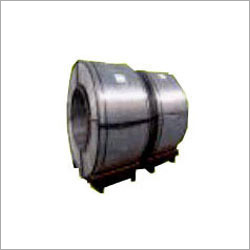
Tell us about your requirement

Price:
Quantity
Select Unit
- 50
- 100
- 200
- 250
- 500
- 1000+
Additional detail
Mobile number
Email

More Products in Cored Wire Category
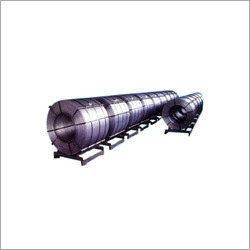
Alloys Cored Wire
Price 210000 INR / Ton
Minimum Order Quantity : 4 Metric Tons
Diameter : Standard 9 mm, 13 mm, or as specified
Material : Ferro Alloys / Metal Powder Encapsulated in Steel Sheath
Conductor Material : Steel Sheath
Application : Steel industry, alloying in ladle treatment
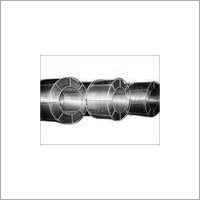
Casi Cored Wire Of 13 MM Diameter
Price 190000 INR / Metric Ton
Minimum Order Quantity : 2 Metric Tons
Diameter : 13 mm
Material : Calcium Silicon (CaSi)
Conductor Material : Steel Strip Encasing
Application : Steel and foundry industries
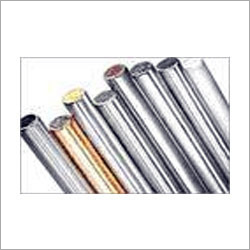
Cafe Cored Wire
Price 125000 INR / Metric Ton
Minimum Order Quantity : 2 Metric Tons
Diameter : Range 9 mm to 16 mm
Material : High Grade Metal Core
Conductor Material : Steel (Outer Sheath)
Application : Steel Plant, Foundry, Metallurgical Industry
CaSi Cored Wire
Price 205000 INR / Ton
Minimum Order Quantity : 4
Diameter : 13 mm, 9 mm
Material : Calcium Silicon (CaSi)
Conductor Material : Steel Strip
Application : Secondary Steel Metallurgy, Ladle Treatment

 Send Inquiry
Our Products
- Hydraulic Pusher Manipulator for Furnace
- Ladle Transfer Car
- Hot Metal Transferring Equipment
- Billet / Bloom Grinding Machine
- Steel Melt Shop Equipment
- Ladle Refining Furnace
- Continuous Casting Machine
- Vacuum Degasser
- Oxygen Decarburization Vessel
- Argon Oxygen Decarburization Converter
- Vacuum Oxygen Refining Furnace
- Scrap Management
- Tundish Drying and Preheating System
- Wire Feeding Machine
- Automatic Temperature Sampling Manipulator
- Ladle Drying Station
- Electric Arc Furnace
- Tundish Drying Station
- Tundish Tilter Turnover Device
- Slab Turnover Tilting Device
- Cored Wire
- Foundry Ladle
- Rotary Kiln
- Gas Based DRI Plant
- Scrap Baling Machine
- Immersion Sensor
- Continuous casting Machine Equipments
- Slag Raking Machine
- Ladle Drying And Preheating Station
- Materials Handling Equipment
- Scrap Management And Optimisation Solutions
- Hot Metal Ladle for Steel Plant


B No. D-157, Road No. 24, Site -5, Greater Noida Export Promotion Industrial Park,Greater Noida - 201310, Uttar Pradesh, India

Mr Madan Kumar
(Director)
Mobile :07313725902
 Send Inquiry
 Send SMS
 Call Me Free
Developed and Managed by Infocom Network Private Limited.
