 Chat with us
Call us now :07313725902
 Send Inquiry
 Send Inquiry
Steel Ladle for Steel Mills
Price 850000 INR/ Set
MOQ : 1 Set
Steel Ladle for Steel Mills Specification
- Torque
- Depends on size and tilting mechanism
- Phase
- Not Applicable (unless motorized)
- Diameter
- Customizable (e.g., 1600 mm for 10T Ladle)
- Shape
- Cylindrical with bottom spout or lip-pouring
- Product Type
- Steel Ladle
- General Use
- Molten steel transportation and pouring in steel mills
- Material
- High quality steel with refractory lining
- Type
- Foundry Equipment, Liquid Metal Handling
- Capacity
- 3 Ton to 150 Tons (customizable)
- Weight (kg)
- Varies per capacity (e.g., approx 2000 kg for 10T Ladle)
- Computerized
- No
- Automatic
- Semi-automatic/Manual
- Touch Screen
- No
- Control System
- Manual Lever/Mechanical or optional Motorized Drive
- Surface Treatment
- Heat-resistant paint/Anti-corrosive coating
- QC System
- ISO 9001, third-party inspection available
- Tolerance
- 2 mm
- Drawing
- Available on request
- Voltage
- Not Applicable (unless equipped with motorized tilting)
- Dimension (L*W*H)
- Customized according to capacity (example: 10T Ladle: 2800mm x 1600mm x 1700mm)
- Feature
- Thermal insulation, durable, heavy-duty structure, replaceable lining
- Color
- Steel grey with custom colors on request
- Compliance
- Meets international metallurgy and foundry standards
- Inspection
- Ultrasonic, magnetic particle, visual and dimensional inspection available
- Tilting Method
- Gearbox/crank/manual or motorized options
- Max Operating Temperature
- Up to 1700C
- Heat Loss Rate
- Minimized with thick insulation and sealed design
- Application
- Steel plants, foundries, and metal casting industries
- Spout Type
- Bottom pouring or side lip pouring available
- Lifting Device Compatibility
- Suitable for cranes, hoists, or fork attachment
- Working Environment
- Indoor/outdoor heavy industrial duty
- Maintenance Requirement
- Periodic lining replacement and surface check
- Refractory Lining Type
- Alumina-Silica/High Alumina Brick or Monolithic Lining
- Service Life
- Varies by usage and lining quality, average 35 years for lining
- Export Packaging
- Standard seaworthy package or as required
- Safety Feature
- Equipped with locking mechanism and safety latch
- OEM/ODM
- Customization available as per client request
Steel Ladle for Steel Mills Trade Information
- Minimum Order Quantity
- 1 Set
- Supply Ability
- 20 Sets Per Month
- Delivery Time
- 1 Months
About Steel Ladle for Steel Mills
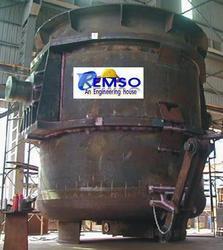
Steel ladles of sizes from 10 MT to 300 MT capacity are manufactured from IS: 2002 boiler quality plates as well as IS: 2062 plates.
Design: The Hot metal ladle is of circular design with all welded construction.The material for the ladle shell and bottom shall be
Gr 2 as per IS:2002 (latest revision) or E 250 B as per IS 2062 (2006) or as per the customer specification.
Trunnion: The trunnion and trunnion plates of the ladle is made of forged steel of grade 20 C8 or 30 C8 as per IS:2004 (1991). The trunnion plate is annealed after forging and ultrasonically tested for soundness.
Tilting Mechanism: The ladle is provided with tilting mechanism for tilting.
Welding: All welds of the charging ladle are 100 % magnaflux-tested (MT). In addition all full penetration welds are 100 % ultrasonic.
Product details
| Color | Silver |
| Ladle Shell | Open |
| Ladle Capacity(Tons) | 4-6 |
| Material | Steel |
Engineered for Extreme Conditions
With a maximum operating temperature of up to 1700C and durable refractory lining, this steel ladle is ideal for the intense demands of steel mills, foundries, and metal casting environments. Its heat-resistant paint, heavy-duty structure, and replaceable linings ensure a long-lasting solution for continuous use.
Versatile Applications & Customization
Our steel ladle is tailored for a wide range of capacities, from 3 tons to 150 tons, and is suitable for indoor and outdoor heavy industrial applications. OEM/ODM customization allows you to select size, spout type, pouring method, and color, ensuring perfect integration with your operation.
Safe, Practical, and Compliant
Integrated safety features, including locking mechanisms and safety latches, protect operators during handling. The ladle meets ISO 9001 and international metallurgy standards, with available inspection options such as ultrasonic and magnetic particle testing for reliable quality assurance.
FAQs of Steel Ladle for Steel Mills:
Q: How is the Steel Ladle operated and what are the available tilting mechanisms?
A: The Steel Ladle can be operated manually via crank, with a gearbox, or using motorized options for larger capacities. The tilting mechanism is selected based on operational needs, making it adaptable for various steel mill setups.Q: What types of refractory lining are used and how often do they require replacement?
A: The ladle is lined with alumina-silica, high alumina bricks, or monolithic lining to withstand extreme heat. Lining replacement is typically needed every 35 years, but frequency depends on usage and the nature of molten metal handled.Q: When is periodic maintenance necessary and what does it include?
A: Periodic maintenance is essential to ensure safe ladle operation. It generally involves replacing the refractory lining and performing surface checks for wear, cracks, and structural integrity, ideally before each production cycle or after extended use.Q: Where can the Steel Ladle be used effectively?
A: This ladle is suitable for steel plants, foundries, and metal casting industries, and its robust design allows for indoor or outdoor use in heavy-duty industrial environments.Q: What process inspections are available for quality assurance?
A: Inspections such as ultrasonic, magnetic particle, visual, and dimensional checks are available to guarantee structural and operational reliability, and third-party inspections can also be arranged on request.Q: How does the ladle minimize heat loss during molten steel transport?
A: The ladles durable refractory lining, thick insulation, and sealed design effectively minimize heat loss, ensuring that molten steel remains at optimal temperatures throughout the transportation and pouring process.Q: What are the benefits of choosing a customized Steel Ladle for your facility?
A: Customization allows for exact capacity, dimensions, pouring methods, spout types, and even color to be tailored, ensuring seamless integration with your plants workflow and boosting operational efficiency.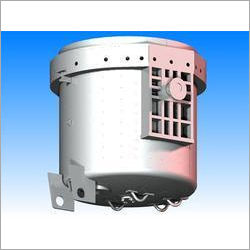
Tell us about your requirement

Price:
Quantity
Select Unit
- 50
- 100
- 200
- 250
- 500
- 1000+
Additional detail
Mobile number
Email

More Products in Steel Melt Shop Equipment Category
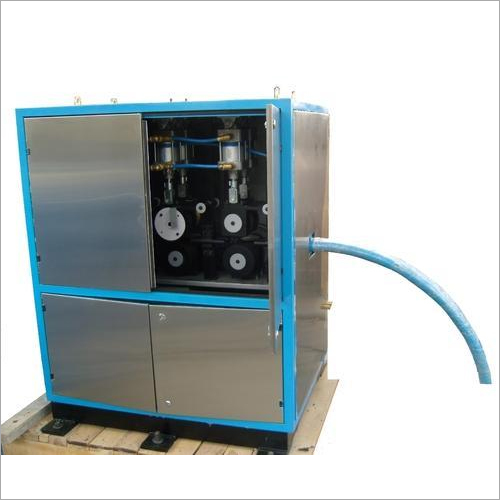
Cored Wire Feeder Machine
Price 1550000 INR / Set
Minimum Order Quantity : 1 Piece
Feature : Other, Twin drive with independent speed control, Heavyduty construction
Color : Blue and Grey
Surface Treatment : Other, Paint Coated
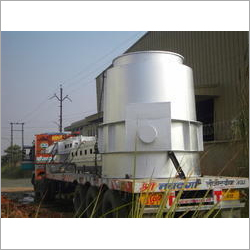
300 Ton Ladles, Steel and Hot Metal Ladle
Price Range 800000.00 - 1400000.00 INR / Piece
Minimum Order Quantity : 1 , , Piece
Feature : Other, High thermal resistance, heavy load bearing, robust welded construction
Color : Customized / Standard Industrial Grey
Surface Treatment : Other, Heatresistant paint / Anticorrosion coating
Ladle -
Price 900000 INR / Set
Minimum Order Quantity : 1 Set
Feature : Other, High temperature resistance, robust structure, easy operation
Color : Gray or customized
Surface Treatment : Other, Heat resistant paint/Coated with fireproof material
Steel Melt Shop Equipment
Price 1100000 INR / Set
Minimum Order Quantity : 1 , , Piece
Feature : Other, Heavy duty, robust construction, efficient performance
Color : Industrial Grey or as specified
Surface Treatment : Other, Paint Coated / Galvanized

 Send Inquiry
Our Products
- Hydraulic Pusher Manipulator for Furnace
- Ladle Transfer Car
- Hot Metal Transferring Equipment
- Billet / Bloom Grinding Machine
- Steel Melt Shop Equipment
- Ladle Refining Furnace
- Continuous Casting Machine
- Vacuum Degasser
- Oxygen Decarburization Vessel
- Argon Oxygen Decarburization Converter
- Vacuum Oxygen Refining Furnace
- Scrap Management
- Tundish Drying and Preheating System
- Wire Feeding Machine
- Automatic Temperature Sampling Manipulator
- Ladle Drying Station
- Electric Arc Furnace
- Tundish Drying Station
- Tundish Tilter Turnover Device
- Slab Turnover Tilting Device
- Cored Wire
- Foundry Ladle
- Rotary Kiln
- Gas Based DRI Plant
- Scrap Baling Machine
- Immersion Sensor
- Continuous casting Machine Equipments
- Slag Raking Machine
- Ladle Drying And Preheating Station
- Materials Handling Equipment
- Scrap Management And Optimisation Solutions
- Hot Metal Ladle for Steel Plant


B No. D-157, Road No. 24, Site -5, Greater Noida Export Promotion Industrial Park,Greater Noida - 201310, Uttar Pradesh, India

Mr Madan Kumar
(Director)
Mobile :07313725902
 Send Inquiry
 Send SMS
Developed and Managed by Infocom Network Private Limited.
