 Chat with us

Call us now :07313725902
 Send Inquiry
 Send Inquiry
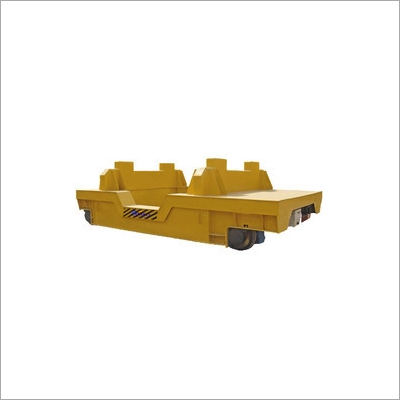
Slag Pot Car
Price 1600000 INR/ Set
MOQ : 1 Set
Slag Pot Car Specification
- Control System
- Remote/Manual
- Wheel Type
- Forged steel wheels
- Features
- Custom design available, high safety standards
- Equipment Type
- Slag Pot Car
- Motor Type
- Heavy-duty Electric Motor
- Rotation Type
- 360-degree rotation
- Lifting Speed
- 58 m/min
- Condition
- New
- Lifting Capacity
- Up to 200 Tons
- Max. Lifting Load
- 200 Tons
- Max. Lifting Height
- Customizable (up to 1800 mm)
- Power Source
- Electric
- Power Consumption
- As per model specification
- Voltage
- 415 V AC, 3 Phase
- Feature
- Heavy duty, precise movement
- Attributes
- High load-bearing, heat resistant
- Application
- Foundry, Steel Plants, Metal Industry
- Operating Temperature
- Up to 1600°C
- Running Track Gauge
- Standard/Custom
- Number of Wheels
- 4 or as required
- Dimensions (L x W x H)
- Customizable upon request
- Braking System
- Electro-hydraulic
- Transport Method
- Rail Mounted
- Material
- Cast Steel / Alloy Steel
- Surface Finish
- Heat-resistant paint
- Production Capacity
- As per client's specification
- Tipping Method
- Hydraulic / Manual Tipping
- Usage
- For handling and transporting hot slag for processing or disposal
Slag Pot Car Trade Information
- Minimum Order Quantity
- 1 Set
- Supply Ability
- 2 Sets Per Month
- Delivery Time
- 1 Months
About Slag Pot Car
The slag pot carrier is specially designed for the transportation of slag pots with liquid slag. The slag pot will be picked up with the integrated dumping arms, lowered and dumped. The carrier moves under the furnace and lifts the pots without additional lifting equipment. The slag pot will be positioned on the floor of the smelting plant or at any other picking up station, could be also positioned on a transfer car. The slag pot carrier will be equipped with a one-man driver cabin which will be a part of the power unit. Remso will guarantee of the safest and most reliable design in the market.
Product details
| Features | Easy to install |
| Usage/Application | Industrial |
| Brand | Remso |
| Usage | Industrial |
| Material | MS |
Maximum Reliability and Heat Resistance
Constructed using cast steel or alloy steel, the Slag Pot Car is designed to withstand extreme temperatures and heavy loads. The surface is treated with heat-resistant paint, ensuring protection and extended lifespan under harsh industrial conditions.
Versatile Configurations for Every Need
This equipment supports various customizable features, including dimensions, track gauges, and lifting capacities, up to a maximum load of 200 tons and height of 1800 mm. Tipping can be performed hydraulically or manually, adapting to different operational preferences and safety requirements.
Precision Movement and Advanced Safety
Equipped with an electro-hydraulic braking system, forged steel wheels, and a powerful electric motor, the Slag Pot Car ensures precise navigation and movement across the facility. Optional remote control and high safety standards increase operational efficiency and reliability.
FAQs of Slag Pot Car:
Q: How is the Slag Pot Car used in foundries and steel plants?
A: The Slag Pot Car is employed to handle and transport hot slag produced during metal processing. Its heavy-duty construction allows it to safely move slag from processing areas to disposal or recycling zones within foundries and steel plants.Q: What makes this Slag Pot Car suitable for high-temperature environments?
A: It is built from heat-resistant cast or alloy steel and finished with special paint to endure operational temperatures up to 1600C. These features ensure durability and safety when moving molten or hot slag.Q: When should I consider customizing the dimensions or capacity of the Slag Pot Car?
A: Customization is ideal when your facility has unique space requirements, specific track gauges, or needs to transport atypical slag volumes. On request, the cars length, width, height, lifting height, and load capacity can be matched to your operational specifications.Q: Where does the Slag Pot Car typically operate within industrial settings?
A: This equipment is designed for rail-mounted movement and operates within foundries, steel production plants, and metal industriesespecially in areas dealing with molten waste management, material transfer, or disposal of hot slag.Q: What is the process for tipping and unloading slag from the car?
A: The Slag Pot Car features both hydraulic and manual tipping options. Hydraulic tipping provides efficient, safe, and controlled discharging, while manual tipping can serve as a backup or in situations where powered systems are unavailable.Q: How does the electro-hydraulic braking system improve safety?
A: The electro-hydraulic system offers precise control over stopping and starting, crucial in handling loads up to 200 tons. It minimizes the risk of uncontrolled movement, enhancing safety for operators and facility personnel.Q: What are the main benefits of selecting this Slag Pot Car for your facility?
A: The main advantages include high load-bearing capacity, excellent resistance to heat and wear, customizable configurations, heavy-duty components, precise movement, and adherence to rigorous safety standards. These qualities lead to increased efficiency and reduced downtime in industrial operations.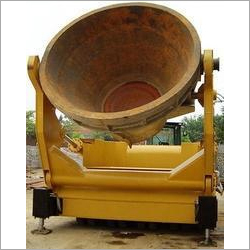
Tell us about your requirement

Price:
Quantity
Select Unit
- 50
- 100
- 200
- 250
- 500
- 1000+
Additional detail
Mobile number
Email

More Products in Hot Metal Transferring Equipment Category
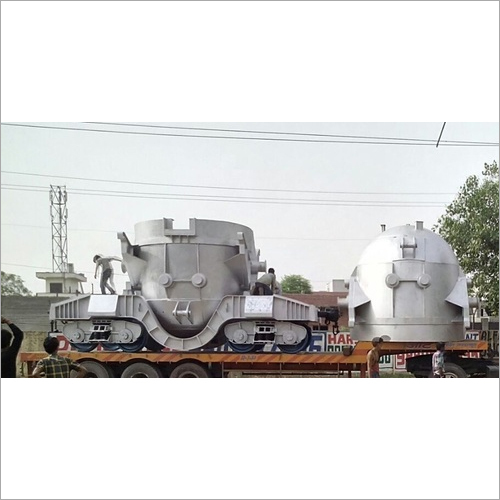
Hot Metal Handling Equipment
Price 2200000 INR / Set
Minimum Order Quantity : 1 Set
Condition : New
Attributes : Other, Heavy Duty, Robust Construction
Features : Wear Resistant, User Friendly, High Performance
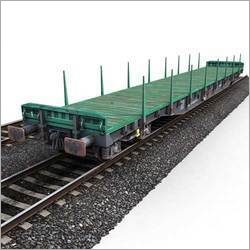
Platform Car Flat
Price 1800000 INR / Set
Minimum Order Quantity : 1 Set
Condition : New
Attributes : Other, Heavy Duty, Rust Resistant
Features : Easy Handling, Maintenance Free
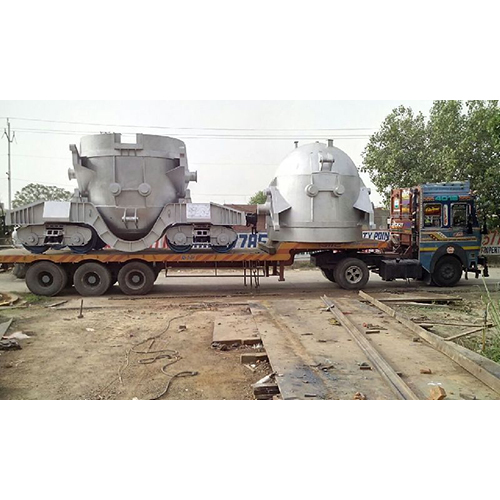
Hot Metal Ladle Transfer Car, For Liquid Handling
Price 1600000 INR / Unit
Minimum Order Quantity : 1 Unit
Condition : New
Attributes : Other
Warranty : Provided by the manufacturer usually 1 year or customized terms
Features : High loadcarrying capacity heatresistant material reliable performance
Motorized Ladle Transfer Car
Price 2500000 INR / Set
Minimum Order Quantity : 1 Set
Condition : New
Attributes : Other, Strong Durable Easy To Operate Rust Proof
Warranty : Yes

 Send Inquiry
Our Products
- Hydraulic Pusher Manipulator for Furnace
- Ladle Transfer Car
- Hot Metal Transferring Equipment
- Billet / Bloom Grinding Machine
- Steel Melt Shop Equipment
- Ladle Refining Furnace
- Continuous Casting Machine
- Vacuum Degasser
- Oxygen Decarburization Vessel
- Argon Oxygen Decarburization Converter
- Vacuum Oxygen Refining Furnace
- Scrap Management
- Tundish Drying and Preheating System
- Wire Feeding Machine
- Automatic Temperature Sampling Manipulator
- Ladle Drying Station
- Electric Arc Furnace
- Tundish Drying Station
- Tundish Tilter Turnover Device
- Slab Turnover Tilting Device
- Cored Wire
- Foundry Ladle
- Rotary Kiln
- Gas Based DRI Plant
- Scrap Baling Machine
- Immersion Sensor
- Continuous casting Machine Equipments
- Slag Raking Machine
- Ladle Drying And Preheating Station
- Materials Handling Equipment
- Scrap Management And Optimisation Solutions
- Hot Metal Ladle for Steel Plant


B No. D-157, Road No. 24, Site -5, Greater Noida Export Promotion Industrial Park,Greater Noida - 201310, Uttar Pradesh, India

Mr Madan Kumar
(Director)
Mobile :07313725902
 Send Inquiry
 Send SMS
 Call Me Free
Developed and Managed by Infocom Network Private Limited.
