 Chat with us
Call us now :07313725902
 Send Inquiry
 Send Inquiry
Sequencing Cars for Continuous Casting Machine
Price 2800000 INR/ Set
MOQ : 1 Bag
Sequencing Cars for Continuous Casting Machine Specification
- Rack Capacity
- Custom as per project
- Control System
- PLC based automatic/semi-automatic control
- Lifting Speed
- 3-6 m/min (variable by model)
- Motor Type
- Electric AC motor
- Wheel Type
- Forged steel wheels
- Belt Type
- Heavy-duty steel belt or chain drive
- Features
- Suitable for steel plants, easy integration with CCM
- Rotation Type
- Linear travel; rotation optional based on model
- Condition
- New
- Lifting Capacity
- Customizable as per requirement
- Max. Lifting Load
- Up to 100 tons (depending on model and requirement)
- Max. Lifting Height
- Up to 5000 mm (customizable)
- Power Source
- Electric
- Power Consumption
- Standard: 5-12 kW (varies as per capacity)
- Voltage
- 380V / 415V
- Length of Belt
- Customized as per equipment design
- Feature
- Heavy-duty, precise positioning, and smooth movement
- Attributes
- Robust structure, high load-bearing capacity
- Material of Construction
- High-grade alloy steel, fabricated steel structure
- Noise Level
- < 75 dB
- Equipment Type
- Material Handling Equipment
- Track Type
- Rail-mounted
- Manufacturing Standard
- Customized as per clients drawing and specifications
- Travelling Mechanism
- Gearbox and motor driven
- Installation
- On-site technical support available
- Ambient Temperature Tolerance
- Up to 60C (suitable for steel mill environment)
- Safety Features
- Emergency stop, overload protection, interlocks
- Operation Mode
- Remote control / Manual / PLC based
- Surface Finish
- Anti-corrosive paint coating
- Height Adjustment
- Hydraulic or mechanical lift (optional)
- Maintenance
- Easy access for routine checks and servicing
- Application
- Transporting ladles between casting positions
Sequencing Cars for Continuous Casting Machine Trade Information
- Minimum Order Quantity
- 1 Bag
- Supply Ability
- 2 Bags Per Month
- Delivery Time
- 1 Months
About Sequencing Cars for Continuous Casting Machine
Ladle Sequencing Car designed to receive ladle in casting position and permits sequence casting with use of two S.M.S., E.O.T. cranes.
Supporting columns, tailor made seat for ladle and provided with suitable guides for easy placement of ladle by crane operator.
Robust Design and Material Quality
Crafted from high-grade alloy steel and precision-fabricated structures, these sequencing cars assure exceptional durability and load-bearing capacity. Designed for the rigorous requirements of steel mills, they feature a heavy-duty drive system, forged steel wheels, and a high-performance gearbox, ensuring a long operational life and smooth, precise movement.
Advanced Operation and Safety Features
Equipped with PLC-based automated/semi-automated controls as well as manual and remote options, the sequencing cars provide flexible operation modes tailored to plant needs. Integrated safety measuresincluding emergency stops, interlocks, and overload protectionensure user and equipment security during high-capacity material transport.
Customizable for Diverse Steel Plant Requirements
With lifting capacities up to 100 tons, adjustable lifting heights, and configurable rack and belt dimensions, these cars adapt seamlessly to varying production demands. Manufactured in alignment with client drawings and industry standards, they offer easy maintenance access and on-site technical support for installation and service, optimizing uptime and productivity.
FAQs of Sequencing Cars for Continuous Casting Machine:
Q: How are sequencing cars for continuous casting machines operated in a steel plant?
A: Sequencing cars can be operated manually, by remote control, or through PLC-based automated systems. This flexibility allows operators to select suitable modes based on production requirements and safety protocols.Q: What materials and construction features make these cars suitable for steel mill environments?
A: These sequencing cars are constructed from high-grade alloy steel and a robust fabricated steel structure. They are finished with anti-corrosive paint, tolerate temperatures up to 60C, and feature forged steel wheels, making them highly durable in harsh steel mill environments.Q: When is customization of lifting capacity or height required?
A: Customization is typically required when standard models do not meet specific project needs. Lifting capacity (up to 100 tons) and height (up to 5000 mm) can be tailored to handle unique ladle sizes or plant layouts, as per client specifications.Q: Where are these sequencing cars installed, and what technical support is available?
A: These cars are installed on-site in steel manufacturing facilities, integrated with continuous casting lines. Technical support, including installation and routine maintenance guidance, is provided to ensure optimal performance and operational reliability.Q: What is the process for routine maintenance and servicing?
A: Routine maintenance involves regular inspections, lubrication of moving parts, checks on safety features, and performance assessments of gearboxes, motors, and lifting mechanisms. The design allows easy access to key components, simplifying servicing tasks.Q: How does the equipment integrate with continuous casting machines (CCM)?
A: The sequencing cars are engineered for compatibility with CCMs, facilitating seamless ladle transfers between casting positions. PLC-based controls and precise positioning ensure efficient synchronization with casting operations, minimizing downtime.Q: What are the main benefits of using these sequencing cars in steel plants?
A: Key benefits include enhanced operational efficiency, high load-bearing and lifting capabilities, reduced downtime, robust safety features, and customizable designs that adapt to various plant layouts. This results in improved workflow and lower maintenance overheads.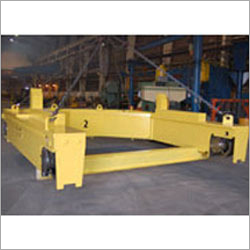
Tell us about your requirement

Price:
Quantity
Select Unit
- 50
- 100
- 200
- 250
- 500
- 1000+
Additional detail
Mobile number
Email

More Products in Ladle Transfer Car Category
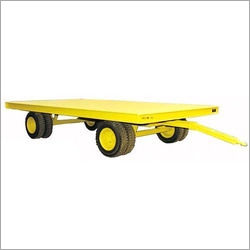
Transfer Carts Trolley
Price 1000000 INR / Set
Minimum Order Quantity : 1 Set
Condition : New
Attributes : Other, Heavy Duty, High Durability
Equipment Type : Industrial Trolley
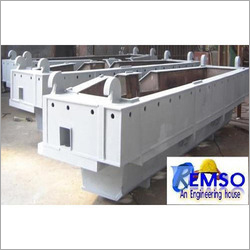
Tundish -
Price 900000 INR / Set
Minimum Order Quantity : 1 Set
Condition : New
Attributes : Other, Heat Resistant, Corrosion Resistant
Equipment Type : Tundish
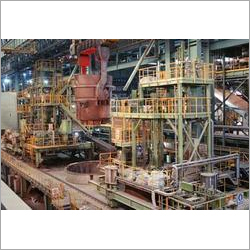
Materials Handling Equipment
Price 1800000 INR / Unit
Minimum Order Quantity : 1 Unit
Condition : New
Equipment Type : Materials Handling Equipment
Ladle Car
Price 2500000 INR / Set
Minimum Order Quantity : 1 Set
Condition : New
Attributes : Other, Strong Durable Easy To Operate Rust Proof
Warranty : Yes

 Send Inquiry
Our Products
- Hydraulic Pusher Manipulator for Furnace
- Ladle Transfer Car
- Hot Metal Transferring Equipment
- Billet / Bloom Grinding Machine
- Steel Melt Shop Equipment
- Ladle Refining Furnace
- Continuous Casting Machine
- Vacuum Degasser
- Oxygen Decarburization Vessel
- Argon Oxygen Decarburization Converter
- Vacuum Oxygen Refining Furnace
- Scrap Management
- Tundish Drying and Preheating System
- Wire Feeding Machine
- Automatic Temperature Sampling Manipulator
- Ladle Drying Station
- Electric Arc Furnace
- Tundish Drying Station
- Tundish Tilter Turnover Device
- Slab Turnover Tilting Device
- Cored Wire
- Foundry Ladle
- Rotary Kiln
- Gas Based DRI Plant
- Scrap Baling Machine
- Immersion Sensor
- Continuous casting Machine Equipments
- Slag Raking Machine
- Ladle Drying And Preheating Station
- Materials Handling Equipment
- Scrap Management And Optimisation Solutions
- Hot Metal Ladle for Steel Plant


B No. D-157, Road No. 24, Site -5, Greater Noida Export Promotion Industrial Park,Greater Noida - 201310, Uttar Pradesh, India

Mr Madan Kumar
(Director)
Mobile :07313725902
 Send Inquiry
 Send SMS
Developed and Managed by Infocom Network Private Limited.
